Navigating the Challenges of Outsourced Assembly in Manufacturing
Understanding Outsourced Assembly Services
The Role of Assembly Lines in Manufacturing
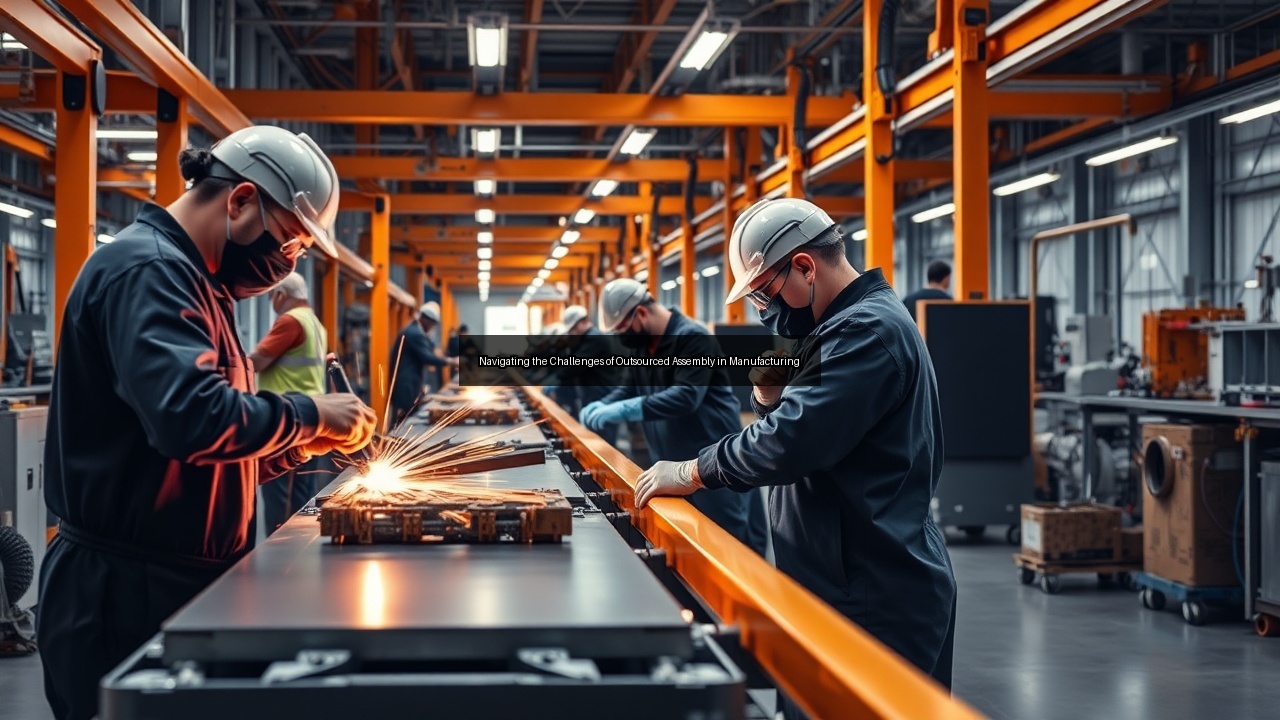
Assembly lines serve as the backbone of manufacturing, streamlining the process of turning raw materials into finished products. They enhance efficiency by breaking down complex production tasks into manageable segments. Each station in an assembly line focuses on a specific operation, whether it’s welding, painting, or packaging. This division of labor not only speeds up production but also improves consistency across products. Outsourced assembly services leverage existing assembly line frameworks, allowing manufacturers to focus on core competencies while benefiting from the specialized skills of external partners. By integrating outsourced assembly into their workflow, companies can reduce costs and enhance their production capabilities without the need for extensive in-house resources.
Types of Outsourced Assembly Services
Outsourced assembly services encompass a variety of functions tailored to meet specific manufacturing needs. Common types include mechanical assembly, electronic assembly, and kitting services. Mechanical assembly involves the integration of components into larger systems, often used in industries like automotive manufacturing. Electronic assembly focuses on the production of circuit boards and electronic devices, ensuring precision and reliability in technology-driven markets. Kitting services involve the pre-assembly of components into kits, simplifying the assembly process for manufacturers. Each type of service offers unique advantages, enabling businesses to choose the best fit for their production requirements. By understanding these various services, manufacturers can make informed decisions when selecting partners for outsourced assembly.
Benefits of Outsourcing Assembly in the Automotive Sector
The automotive sector stands out as a significant beneficiary of outsourced assembly services. First, outsourcing allows manufacturers to access specialized expertise in assembly processes, particularly in advanced technologies like robotics and automation. This expertise enhances both the reliability and efficiency of production. Second, outsourcing assembly can lead to substantial cost savings. By leveraging the lower labor costs in certain regions, automotive manufacturers can maintain competitive pricing without compromising quality. Additionally, outsourcing helps manufacturers respond swiftly to market demands, improving their time-to-market. With the ever-evolving landscape of the automotive industry, the ability to adapt quickly can be a game-changer, positioning companies for success in a highly competitive market.
Challenges in Outsourced Assembly
Ensuring Reliability in Assembly Processes
Reliability poses a significant challenge in outsourced assembly services, as companies often depend on external partners to uphold their standards. Variability in assembly processes, whether due to human error or equipment malfunction, can lead to production delays and quality issues. To mitigate these risks, manufacturers must establish stringent criteria for selecting assembly plants. Conducting thorough audits and assessments ensures that partners adhere to quality standards and best practices. Additionally, fostering a culture of collaboration and transparency between manufacturers and their outsourced assembly teams can enhance reliability. Regular communication and feedback loops help address potential issues before they escalate, ensuring that production remains on track.
Quality Control Mechanisms
Quality control mechanisms are essential in maintaining product integrity when outsourcing assembly. Manufacturers must implement robust inspection procedures to monitor the quality of components and finished products. This may involve both in-process inspections and final product evaluations. Techniques such as statistical process control (SPC) can identify variations in assembly processes, allowing for timely interventions. Manufacturers should also collaborate closely with outsourced assembly plants to develop quality benchmarks tailored to their specific products. Training external teams in quality assurance practices further strengthens the overall quality control framework, ensuring that products meet both regulatory ousourced assembling standards and customer expectations. Ultimately, a proactive approach to quality control fosters trust and reliability in outsourced assembly services.
Dealing with Waste in Production
Waste management emerges as a critical challenge in outsourced assembly, affecting both efficiency and environmental sustainability. Manufacturers must address various forms of waste, including excess materials, defective products, and inefficiencies in assembly processes. Implementing lean manufacturing principles can significantly enhance waste reduction efforts. By analyzing production workflows and identifying areas of improvement, businesses can streamline operations and minimize waste. Collaborating with outsourced assembly partners to share best practices in waste management can yield positive results. Adopting sustainable practices not only reduces costs but also aligns with growing consumer demand for environmentally friendly products. A comprehensive waste management strategy ultimately enhances the overall efficiency of outsourced assembly services.
Best Practices for Successful Outsourced Assembly
Effective Communication with Assembly Plants
Effective communication stands at the forefront of successful outsourced assembly. Manufacturers need to establish clear channels of communication with assembly plants to ensure alignment on production goals and expectations. Utilizing digital tools and platforms can facilitate real-time updates and feedback, promoting transparency throughout the assembly process. Regular meetings and check-ins allow stakeholders to address issues promptly and ensure that all parties are on the same page. Moreover, providing detailed documentation, such as assembly instructions and quality standards, helps minimize misunderstandings and errors. A culture of open communication fosters collaboration, ultimately leading to smoother operations and enhanced productivity in outsourced assembly services.
Implementing Robust Inspection Procedures
Implementing robust inspection procedures is vital for maintaining the quality of products produced through outsourced assembly. Manufacturers should develop a comprehensive inspection plan that includes both incoming materials and completed assemblies. Utilizing advanced inspection technologies, such as automated visual inspection systems, can enhance the accuracy of quality assurance processes. Additionally, training assembly plant staff on these procedures ensures consistency and reliability in quality checks. Regular audits of inspection processes help identify gaps and areas for improvement. By prioritizing quality at every stage of the assembly process, manufacturers can significantly reduce the risk of defects and enhance customer satisfaction.
Streamlining Time-to-Market Strategies
Streamlining time-to-market strategies is essential for manufacturers relying on outsourced assembly services. The speed at which products reach the market often determines competitive advantage. To enhance efficiency, manufacturers should analyze their entire production workflow, identifying bottlenecks that may delay assembly. Collaborating closely with outsourced partners to synchronize production schedules can minimize downtime and improve overall throughput. Implementing agile methodologies allows manufacturers to adapt quickly to changes in demand, ensuring that production remains flexible and responsive. Additionally, investing in technologies that enhance communication and coordination between teams can significantly accelerate time-to-market, providing manufacturers with a distinct competitive edge.
Future Trends in Outsourced Assembly
Innovations in Fabrication and Architecture
The future of outsourced assembly services will witness groundbreaking innovations in fabrication and architecture. Advances in materials science and manufacturing techniques are paving the way for new assembly methods that enhance efficiency and reduce costs. For instance, the integration of 3D printing technology allows for rapid prototyping and the production of complex components that were previously impossible to manufacture. This capability enables manufacturers to respond more quickly to market demands and customize products to meet specific customer needs. Furthermore, innovations in modular architecture are transforming assembly line design, making it easier to adapt production processes to changing requirements. Embracing these innovations will be crucial for manufacturers looking to stay competitive in a rapidly evolving industry.
The Impact of Automation on Outsourcing Services
Automation is reshaping the landscape of outsourced assembly services, introducing unprecedented levels of efficiency and precision. Robotic systems and automated machinery can handle repetitive tasks with speed and accuracy, significantly reducing the risk of human error. This not only enhances reliability in assembly processes but also allows human workers to focus on more complex tasks that require critical thinking and creativity. As automation technology continues to evolve, manufacturers must adapt their outsourcing strategies to leverage these advancements. Investing in training for both internal and external teams on the use of automated systems will ensure that companies maximize their return on investment. The integration of automation into outsourced assembly services represents a pivotal shift, promising to redefine productivity and quality in manufacturing.