Stainless Steel Electropolishing Innovations You Should Know About
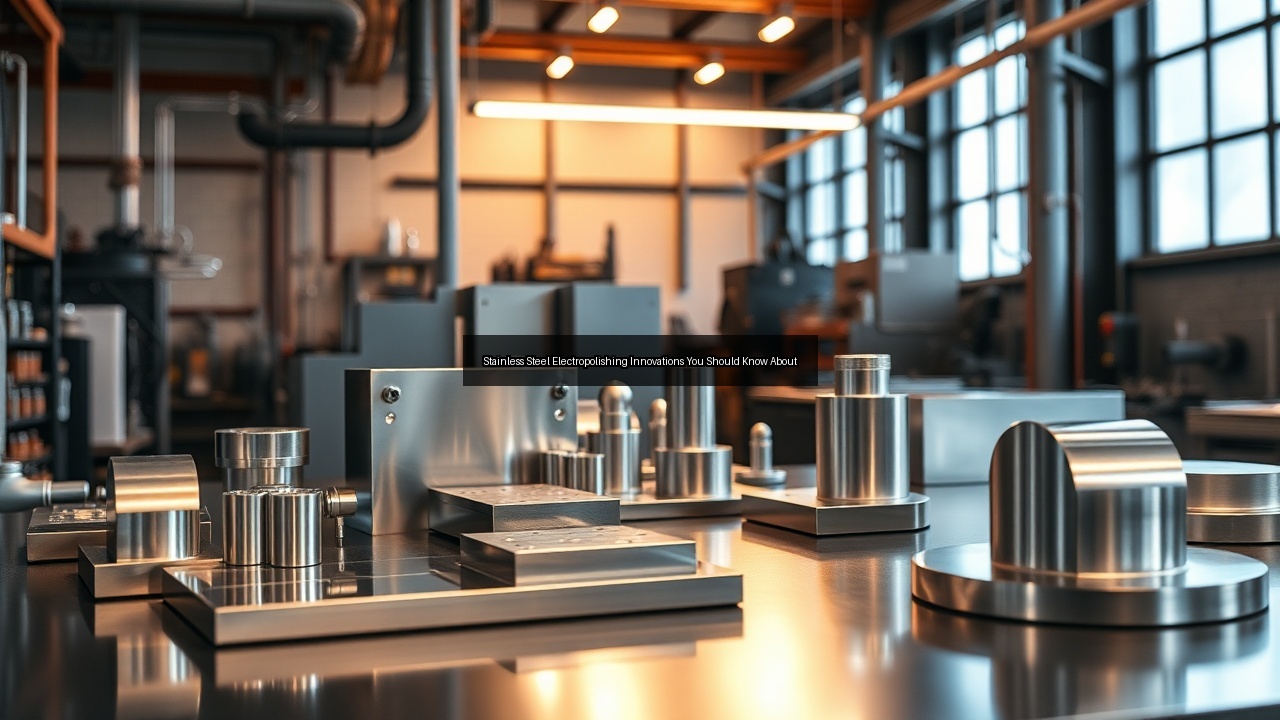
Understanding Electropolishing and Its Importance
What is Electropolishing?
Electropolishing is an electrochemical process that enhances the surface finish of metals, particularly stainless steels. This technique effectively removes a thin layer of material from the surface, resulting in a smoother, brighter finish. Electropolishing differs significantly from traditional mechanical polishing, which often leaves microscopic scratches and defects. By utilizing a controlled chemical reaction, electropolishing minimizes surface roughness and improves the overall aesthetic appeal of stainless steel products. Industries ranging from medical devices to food processing rely on this technology for its ability to achieve high levels of cleanliness and hygiene. The process not only improves aesthetics but also enhances the performance and durability of materials, making it essential in various applications.
The Science Behind Electropolishing
The science of electropolishing hinges on the principles of electrochemistry. When stainless steel parts are submerged in an electrolytic bath, a direct current passes through the solution, causing metal ions to dissolve and migrate away from the surface. This selective removal of material occurs mainly on the peaks of the surface, leading to a smoother, more uniform finish. The process typically employs a mixture of acids, such as sulfuric or phosphoric acid, which interact with the stainless steel. The role of oxygen is crucial, as it aids in forming a protective oxide layer that enhances corrosion resistance. This layer is vital for maintaining the integrity of the metal in harsh environments, making electropolishing an indispensable technique in metal surface treatment.
Benefits of Electropolished Stainless Steel
Electropolished stainless steel offers numerous advantages that make it highly desirable across various industries. One of the most significant benefits is enhanced corrosion resistance. The electropolishing process removes contaminants and creates a smooth surface, which minimizes the risk of corrosion-causing agents adhering to the metal. Additionally, electropolished surfaces exhibit improved cleanliness, making them ideal for applications in the medical and food processing sectors where hygiene is paramount. The aesthetic appeal of electropolished stainless steel cannot be overlooked either; its bright, reflective finish enhances the visual quality of products. Furthermore, electropolishing reduces friction and wear, prolonging the lifespan of components and decreasing maintenance costs. These benefits collectively establish electropolished stainless steel as a superior choice for manufacturers seeking durability, cleanliness, and aesthetic appeal.
Innovations in Stainless Steel Electropolishing
Latest Technologies in Electropolishing Services
Recent advancements in electropolishing technologies have transformed the landscape of stainless steel surface treatment. Automated systems now streamline the process, ensuring consistent quality and reducing production times. These systems employ sophisticated controls to maintain optimal temperatures and chemical concentrations, which enhance the efficiency of the electropolishing process. Additionally, innovations such as high-frequency current and pulsed electropolishing have emerged. These methods optimize the removal rates of surface material, providing superior finishes while reducing the environmental impact. Manufacturers are increasingly incorporating real-time monitoring and feedback systems into their electropolishing services, allowing for immediate adjustments that improve output quality. Such technologies not only boost productivity but also ensure that the electropolished surfaces meet stringent industry standards.
Advancements in Electropolishing for 316L Stainless Steel
316L stainless steel, known for its excellent corrosion resistance and strength, benefits tremendously from electropolishing advancements. New formulations of electrolytic solutions specifically designed for 316L enhance the polishing process by improving surface finish and reducing processing time. These tailored solutions help to maintain the integrity of the metal while achieving a high-quality finish. Furthermore, techniques such as selective electropolishing allow for targeted treatment of complex geometries and intricate designs, which are often challenging to polish uniformly. Innovations in masking materials also facilitate more precise applications, enabling manufacturers to protect certain areas during the electropolishing process. As a result, the electropolishing of 316L stainless steel is becoming more efficient and effective, catering to the growing demands of industries that rely on this specific alloy.
Eco-Friendly Electropolishing Solutions
The shift towards sustainability has prompted the development of eco-friendly electropolishing solutions. Traditional electropolishing methods often utilize harsh chemicals that can be harmful to the environment. New innovations focus on biodegradable and less toxic alternatives that maintain the effectiveness of the process while minimizing environmental impact. These eco-friendly solutions not only comply with stricter regulations but also appeal to manufacturers aiming to enhance their sustainability profiles. Additionally, advancements in wastewater treatment technologies allow for the recycling and safe disposal of used electrolytes, further reducing the ecological footprint of the electropolishing process. By adopting these eco-conscious practices, manufacturers can achieve high-quality stainless steel finishes while contributing to environmental preservation.
Applications of Electropolished Stainless Steel
Electropolishing in the Semiconductor Industry
The semiconductor industry extensively relies on electropolished stainless steel for its critical applications. High-purity environments in semiconductor fabrication demand materials that are free from contaminants and have smooth surfaces to prevent particle generation. Electropolished stainless steel meets these stringent requirements, ensuring the integrity of production processes. Components such as pipes, valves, and fittings used in semiconductor manufacturing benefit from the enhanced cleanliness and corrosion resistance provided by electropolishing. The reduced surface roughness of electropolished materials minimizes the risk of contamination, which can lead to significant production losses. As technology advances, the demand for electropolished stainless steel in the semiconductor sector will continue to grow, highlighting its vital role in ensuring efficient and reliable manufacturing processes.
Impact on Corrosion Resistance in Stainless Steel Products
Corrosion resistance is a critical factor in the performance of stainless steel products, and electropolishing significantly enhances this property. By removing impurities and creating a smooth surface, the electropolishing process minimizes sites where corrosion can initiate. The resulting passive layer formed during electropolishing provides an additional barrier against corrosive agents. This is especially important in industries such as oil and gas, marine, and chemical processing, where equipment is constantly exposed to harsh environments. Electropolished stainless steel exhibits superior resistance to pitting, crevice corrosion, and stress corrosion cracking. As manufacturers continue to explore innovative applications, the role of electropolishing in enhancing the longevity and durability of stainless steel products will remain paramount.
Engineering and Manufacturing Use Cases
In the engineering and manufacturing sectors, electropolished stainless steel has become a preferred choice for various applications. Its smooth surface finish enhances the performance of components in high-precision machinery, reducing friction and wear. Additionally, electropolishing improves the aesthetic quality of products, making them more appealing to consumers. Components such as springs, fasteners, and valves benefit from the durability and corrosion resistance that electropolishing provides. Industries like automotive, aerospace, and medical devices rely on electropolished stainless steel for critical applications that demand high performance and reliability. As manufacturers seek to innovate and improve product quality, the versatility of electropolished stainless steel makes it an invaluable asset in engineering and manufacturing processes.
Choosing the Right Electropolishing Service
Factors to Consider When Selecting Electropolishing Services
Selecting the right electropolishing service requires careful consideration of various factors. Quality assurance is paramount; look for manufacturers that adhere to industry standards and certifications. Evaluate the range of services offered, including custom solutions for specific materials and applications. The experience and expertise of the service provider also play a crucial role in achieving desired results. Inquire about their technological capabilities, such as the use of advanced equipment and eco-friendly practices. Furthermore, consider the lead times and flexibility of service, as timely delivery can significantly impact production schedules. Ultimately, thorough research and clear communication with potential electropolishing service providers ensure that manufacturers select a partner capable of meeting their unique needs.
Evaluating Electropolishing Manufacturers
Evaluating electropolishing manufacturers involves assessing their capabilities, reputation, and customer service. Start by reviewing their track record in the industry and gathering feedback from previous clients. Look for case studies or examples of successful projects that demonstrate their expertise in processing various stainless steels, including 316L. Inquire about their quality control measures and how they ensure consistency in their electropolishing services. Additionally, consider their investment in technology and innovation, as this can directly impact the quality of the final product. A reputable manufacturer will provide transparency regarding their processes and be willing to address any questions or concerns. Establishing a good relationship with the chosen manufacturer enhances collaboration and ensures that expectations are met throughout the project.
The Future of Stainless Steel Electropolishing
The future of stainless steel electropolishing appears bright, driven by ongoing innovations and increasing demand across various industries. As technology advances, manufacturers will likely see enhanced techniques that improve efficiency and reduce environmental impact. The integration of artificial intelligence and automation into electropolishing processes can lead to further improvements in quality control and production speed. Additionally, the push for sustainable practices will continue to shape the development of eco-friendly electropolishing solutions. As industries increasingly prioritize cleanliness and corrosion resistance, the role of electropolished stainless steel will expand, particularly in sectors such as healthcare, semiconductor manufacturing, and food processing. Manufacturers that stay ahead of these trends will benefit from the competitive advantages offered by high-quality electropolished stainless steel products.
See Also
- Elevate Your Engineering Projects with Electropolished Stainless Steel
- The Environmental Benefits of Electropolishing Stainless Steel
- Unlocking the Benefits of Electropolishing for Stainless Steel Products
- The Science Behind Electropolishing and Its Impact on Corrosion Resistance in Stainless Steel
- Unlocking the Benefits of Electropolishing for Superior Stainless Steel Products