The Intersection of Robotics and Custom Machine Building
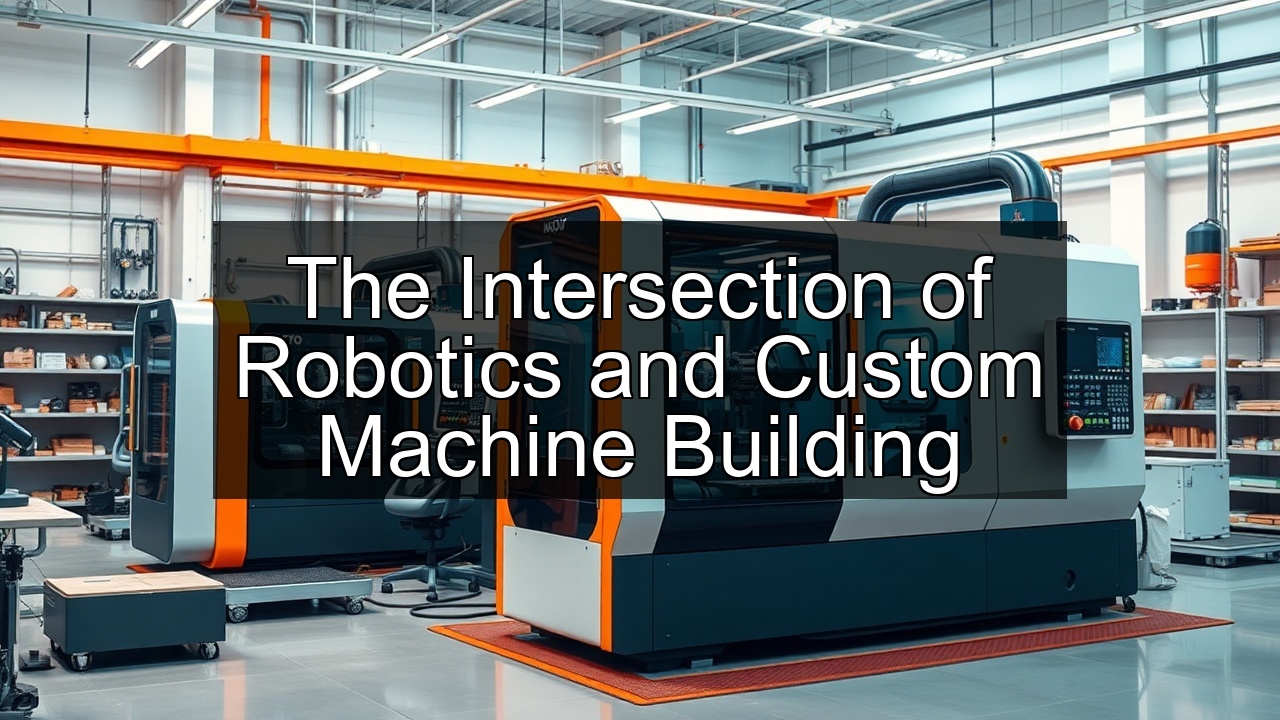
Advancements in Robotics and Their Impact on Custom Machine Building
The Role of Robotics in Enhancing Productivity
Robotics plays a transformative role in the realm of custom machine building, significantly boosting productivity across various industries. By integrating robotic systems into manufacturing processes, custom machine builders can streamline operations, reduce cycle times, and enhance overall efficiency. Robots can perform repetitive tasks with precision, leading to reduced error rates and improved output quality. This automation allows human operators to focus on more complex tasks that require critical thinking and creativity, fostering a more innovative work environment. Furthermore, the use of robots in custom machinery ensures consistent performance, minimizing downtime and maximizing resource utilization. In a competitive market, enhancing productivity through robotics becomes not just advantageous but essential for survival.
Integration of Automated Systems in Custom Machines
The integration of automated systems into custom machines revolutionizes traditional manufacturing paradigms. Custom machine builders now leverage automated guided vehicles (AGVs) and robotic arms to create highly efficient workflows. These systems allow for seamless material handling, assembly, and quality control processes. Builders can design machines that self-adjust based on real-time data, ensuring optimal performance even under varying conditions. This level of sophistication in custom machinery enhances reliability and reduces the likelihood of mechanical failures. By adopting automated systems, builders not only improve operational efficiency but also provide clients with machines that can adapt to evolving production needs, making them invaluable in dynamic industries.
Innovative Technologies Shaping the Future of Machine Building
Innovative technologies like artificial intelligence (AI), the Internet of Things (IoT), and advanced sensors are at the forefront of shaping the future of custom machine building. These technologies enable machine builders to develop smarter and more responsive equipment. AI algorithms can analyze vast amounts of data to optimize machine performance and predict potential failures before they occur. IoT connectivity allows machines to communicate and share data, facilitating better decision-making and resource management. Additionally, advanced sensors provide real-time feedback, enabling automated systems to adjust operations custom built machine for maximum efficiency. Embracing these innovations not only enhances the capabilities of custom machines but also positions builders as leaders in a rapidly evolving industrial landscape.
Key Considerations for Custom Machine Builders
Design Software and CAD in Custom Machine Development
Effective design plays a critical role in custom machine development. Custom machine builders rely heavily on advanced design software and Computer-Aided Design (CAD) tools to create precise and functional machine specifications. CAD software allows engineers to custom built machine visualize and simulate designs before physical fabrication, reducing costly errors and ensuring that all parts fit together seamlessly. Moreover, sophisticated design software facilitates collaboration among teams, allowing for a more integrated approach to machine building. Builders can quickly iterate on designs based on feedback, enhancing the overall quality of the final product. By leveraging CAD technology, custom machine builders can offer tailored solutions that meet the specific needs of their clients while adhering to industry standards.
Project Management Strategies for Efficient Machine Assembly
Effective project management strategies are vital for ensuring efficient machine assembly. Custom machine builders must coordinate various elements, including resources, timelines, and workforce, to successfully complete projects. Implementing agile project management methodologies can enhance flexibility, allowing teams to adapt quickly to changes or challenges. Setting clear objectives, timelines, and milestones helps maintain focus and ensures accountability throughout the assembly process. Additionally, utilizing project management tools can streamline communication and document management, minimizing the risk of errors. By adopting robust project management strategies, custom machine builders can enhance their operational efficiency and deliver high-quality machines on schedule, satisfying client expectations and building long-term relationships.
Enhancing Reliability and Efficiency through Automation
Automation significantly enhances the reliability and efficiency of custom machines. By incorporating automated systems, builders can minimize human error and ensure consistent performance throughout the production cycle. Automated processes reduce the variability commonly associated with manual operations, resulting in higher-quality outputs. Furthermore, the integration of automation allows for real-time monitoring of machine performance, enabling quick adjustments that enhance efficiency. Custom machine builders can also implement predictive maintenance strategies powered by data analytics, identifying potential issues before they lead to costly downtime. Ultimately, automation transforms the way machines operate, ensuring that they meet the high standards of reliability and efficiency required in today’s demanding industrial landscape.
Applications of Custom Machines in Various Industries
Custom Machinery for Medical Devices
The medical device industry relies heavily on custom machinery to produce high-precision equipment. Custom machine builders design specialized machinery tailored to the stringent requirements of medical manufacturing. These machines must meet rigorous safety and quality standards while delivering precision and consistency. From automated assembly lines for surgical instruments to specialized equipment for implant manufacturing, the demand for custom-built machines in this sector continues to grow. Additionally, advancements in robotics and automation enhance the capabilities of medical device manufacturing, allowing for faster production times and reduced costs. Builders focusing on medical applications must prioritize compliance and innovation, ensuring their machines can adapt to the fast-evolving landscape of medical technology.
The Importance of Ergonomics in Machine Design
Ergonomics plays a crucial role in the design of custom machinery, particularly in environments where human interaction is essential. Custom machine builders must consider ergonomics to enhance user comfort, safety, and productivity. Machines designed with ergonomic principles reduce the risk of injury and fatigue among operators, leading to higher efficiency and job satisfaction. Factors such as workstation layout, control placement, and accessibility should be carefully evaluated during the design process. By prioritizing ergonomic design, builders not only improve the usability of their machines but also create a more conducive work environment that fosters productivity and efficiency.
Retrofitting Existing Machines with Robotics
Retrofitting existing machines with robotics presents a cost-effective solution for enhancing productivity and efficiency. Custom machine builders can integrate robotic systems into older machinery, extending its lifespan and improving performance without the need for complete replacement. This approach allows manufacturers to leverage their current assets while benefiting from the latest technological advancements. Retrofitting can involve adding robotic arms for automated assembly or implementing advanced sensors for real-time monitoring. By embracing retrofits, builders not only provide valuable upgrades to clients but also contribute to builder of machines sustainability efforts by maximizing the utility of existing equipment.
The Future of Custom Machine Solutions
Trends in Custom Machine Variations
The landscape of custom machine solutions is continually evolving, with various trends shaping the future of machine variations. Custom machine builders are increasingly focusing on modular designs that allow for easy scalability and adaptability. This trend enables manufacturers to adjust production lines according to changing demands without incurring significant costs. Additionally, the rise of Industry 4.0 emphasizes the need for interconnected machines that can communicate with one another and with central systems. Builders are also exploring the integration of advanced technologies such as AI and machine learning to create machines that can learn and optimize their operations over time. These trends highlight the importance of innovation in custom machine solutions, ensuring that builders remain competitive in a fast-paced market.
The Role of Reverse Engineering in Customization
Reverse engineering plays a vital role in the customization of machines, allowing builders to analyze existing equipment and improve upon its design. By dissecting machines, builders can identify strengths and weaknesses, leading to enhancements that increase efficiency and reliability. This process also provides valuable insights into competitor products, enabling custom machine builders to innovate and differentiate their offerings. Reverse engineering facilitates the development of tailored solutions that meet specific client needs while adhering to industry standards. In essence, it empowers builders to refine their designs continually and remain at the forefront of technological advancements in machine building.
Exploring Turnkey Solutions for Industrial Automation
Turnkey solutions have become a popular choice for businesses seeking efficient and integrated industrial automation. Custom machine builders offer complete packages that include design, construction, installation, and support, ensuring a seamless transition to automated operations. These solutions minimize the complexity involved in adopting new technologies, allowing companies to focus on their core operations. By providing turnkey solutions, builders cater to the demands of clients looking for quick, effective implementations without the hassle of coordinating multiple vendors. This approach enhances customer satisfaction and solidifies the builder's reputation as a reliable partner in industrial automation.